
Free in-home measure and quote - PGT, CGI and CWS impact lines compared on your actual openings, style by style
Sliding glass doors
Impact garage doorsPGTCGI
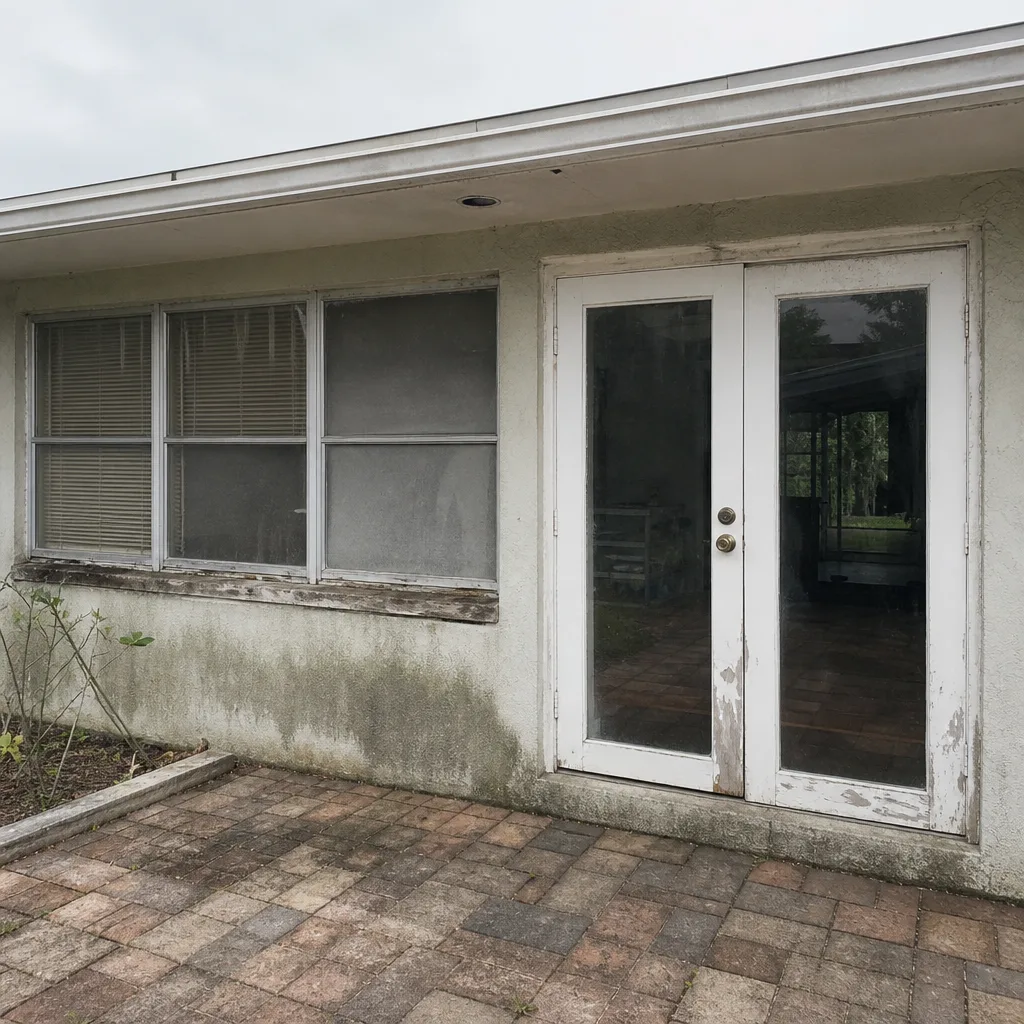 Before
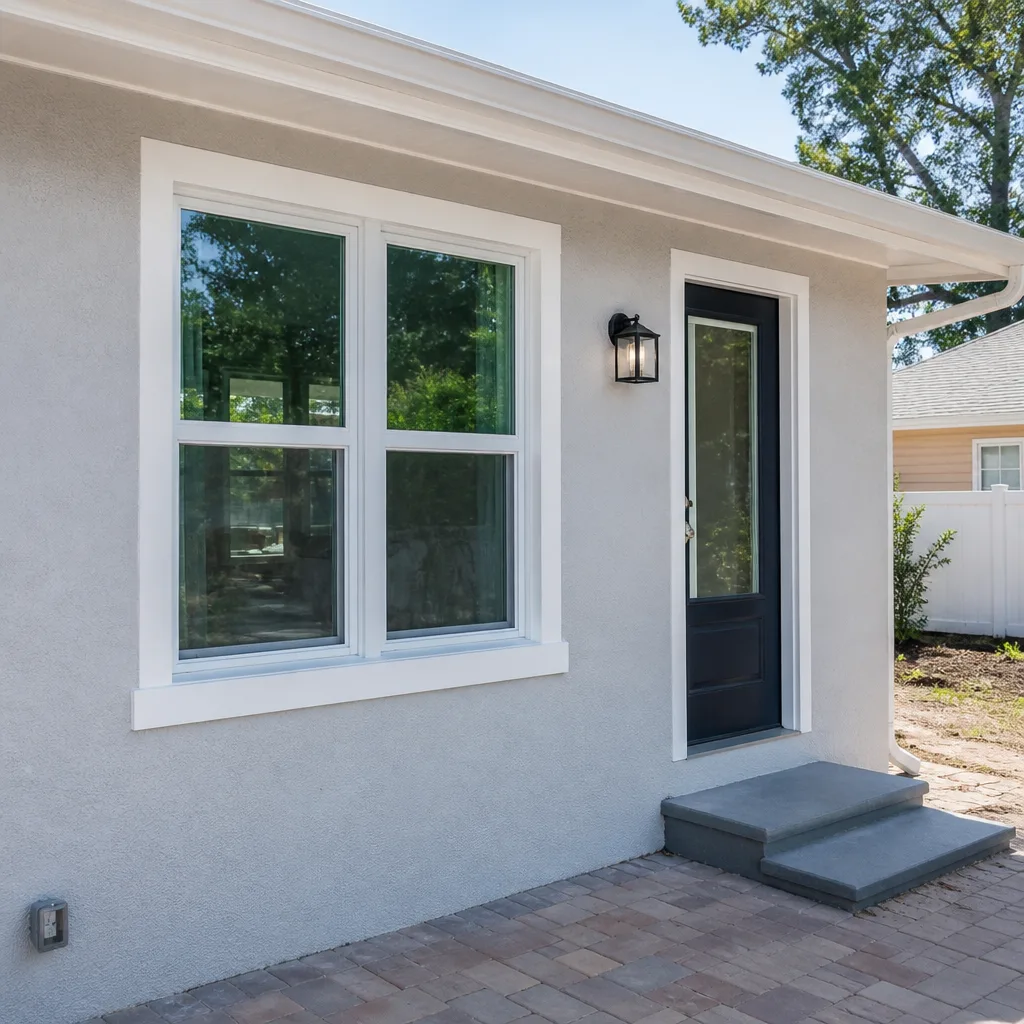 After
After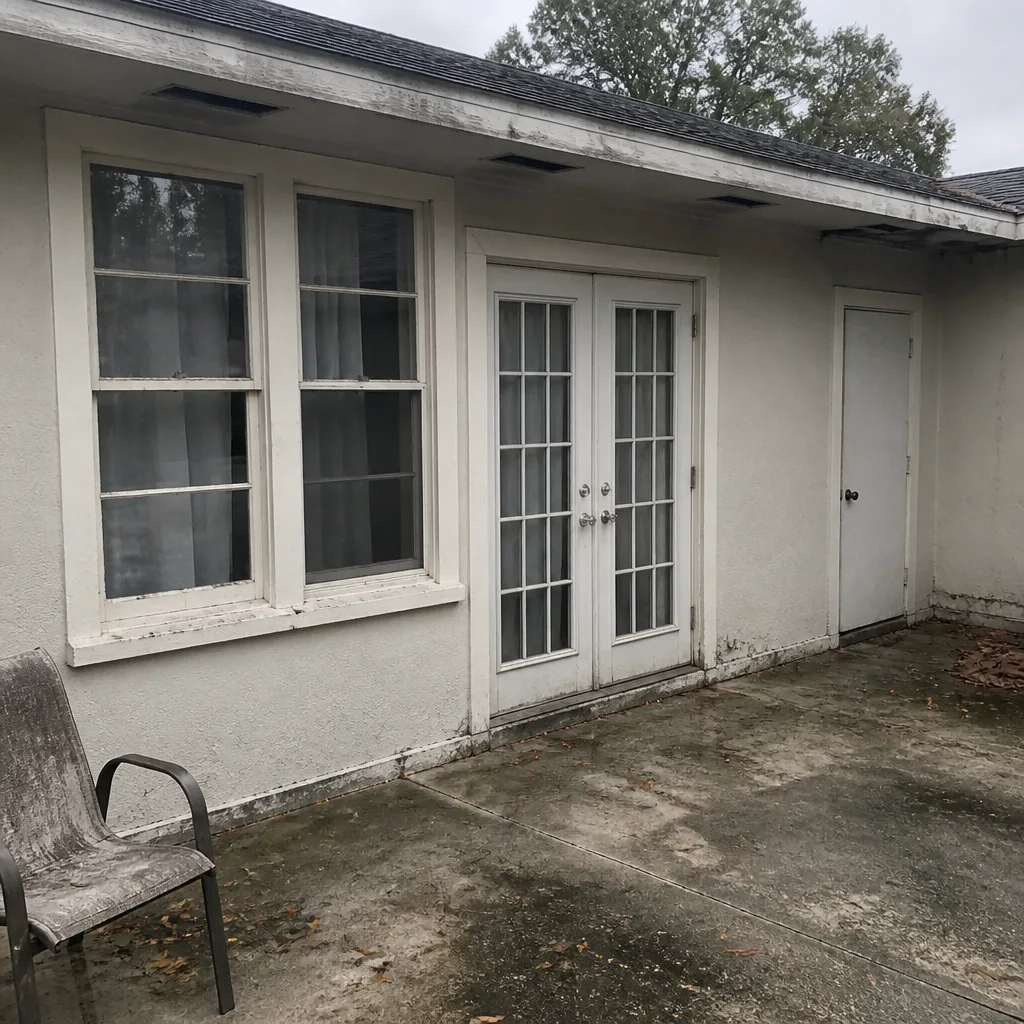 Before
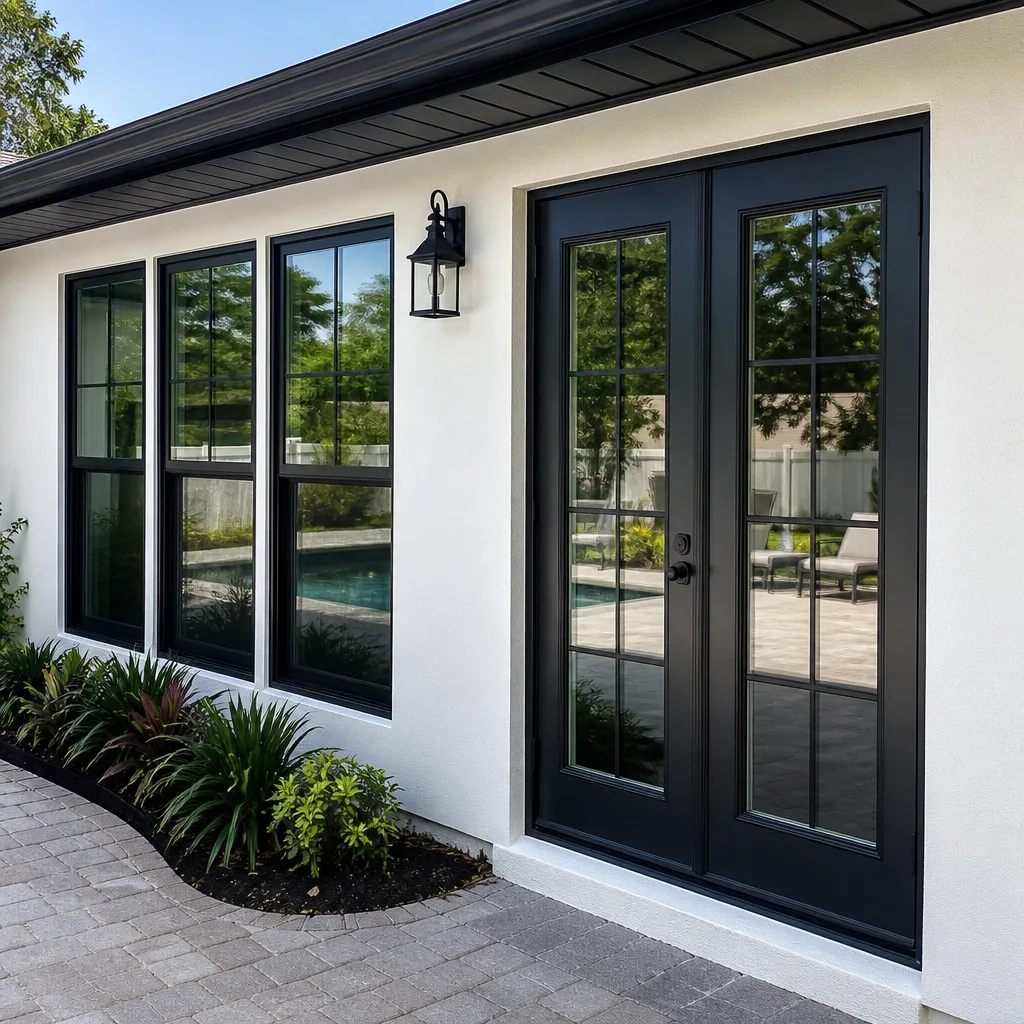 After
After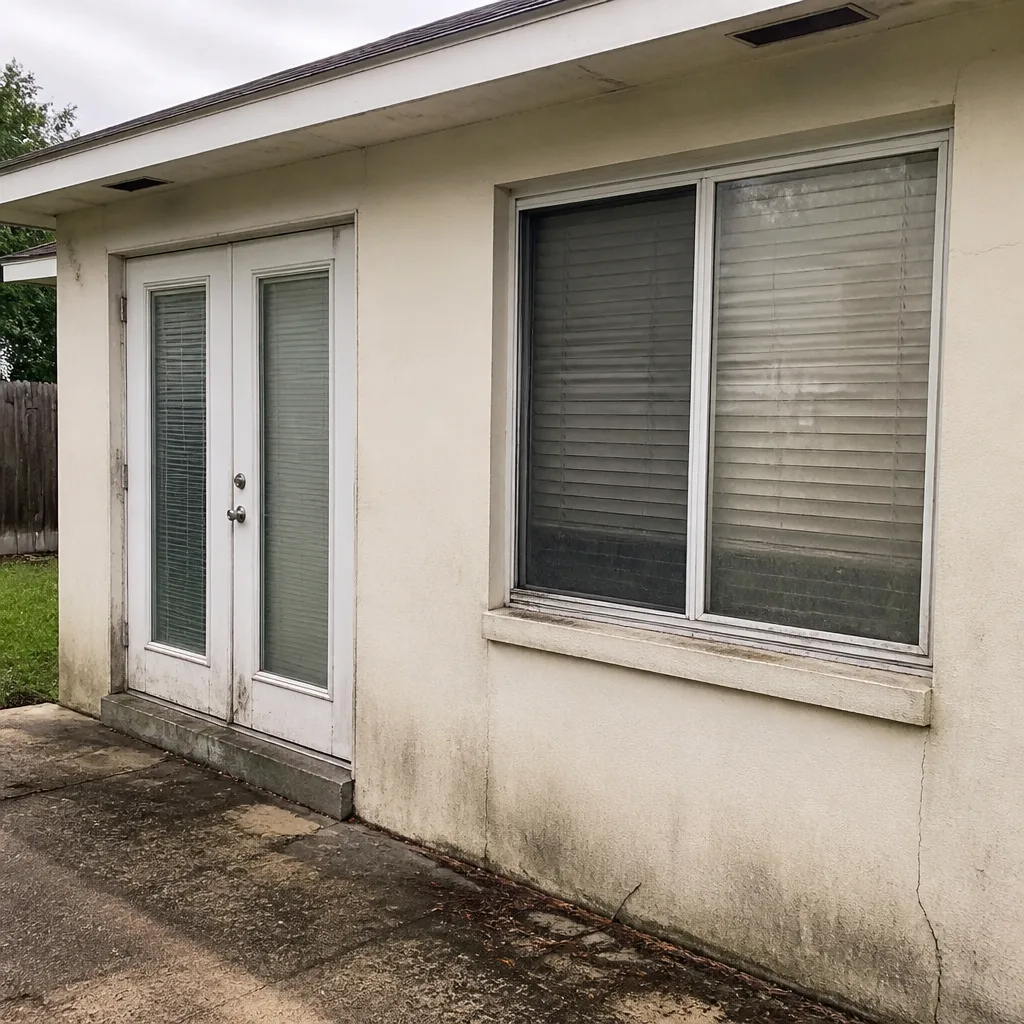 Before
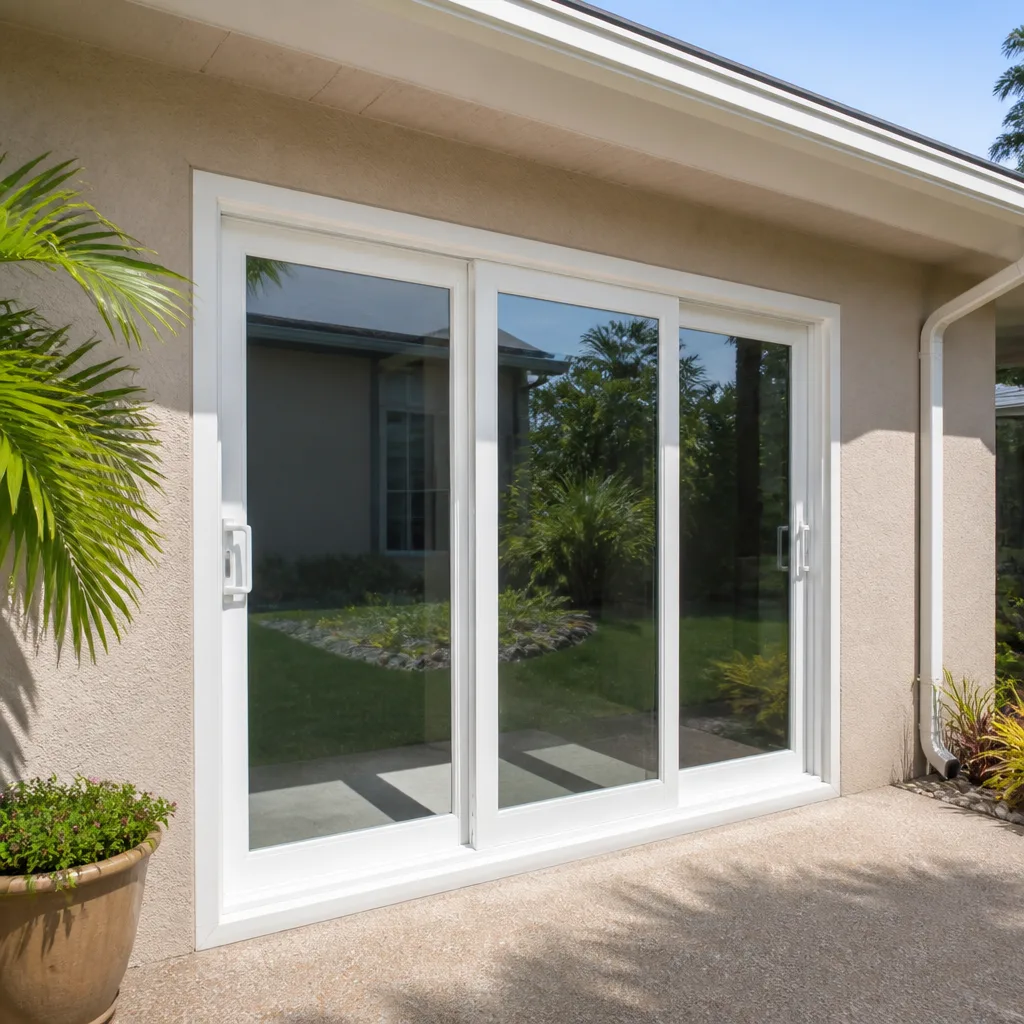 After
AfterEnergy-Efficient Windows in St. Cloud: Local Code, Real Numbers, and Windows That Actually Hold Up
Energy-efficient window replacement in St. Cloud typically runs $650-$1,450 per opening for low-E double-pane retrofits, and $900-$2,100 per opening when the job requires full-frame rebuilds with impact-rated glass. What drives the spread is whether your house is part of the 1890s-1920s wood-frame veterans’ colony downtown, where sashes rot at the jamb and need structural rebuilds, or a 2002-2008 stucco tract home off Narcoossee Road, where the original vinyl frames are warping and the argon seal has failed in under twenty years. Both are replacement jobs, but the spec, the code path, and the honest price are completely different. Dale Kessler and the crew at TruePane Windows & Doors work both sides of that divide in St. Cloud every week, and we quote it straight so you know what you’re paying for before the first screw comes out. Call (813) 320-9346 for a free estimate at your St. Cloud home.
Key Takeaways:
- St. Cloud sits in a Florida Building Code wind-borne debris region. Every compliant replacement has to meet specific design pressure ratings, not just energy specs.
- Humidity off East Lake Tohopekaliga kills argon fills and seals faster than inland locations. That’s why 2005-era Narcoossee tract homes are fogging now.
- Both manufacturer warranty layers get registered in writing before our truck leaves your St. Cloud driveway. Durations stated on paper. No fine-print surprises.
- We do full-frame sash rebuilds for the old bungalows and fusion-welded retrofits for the newer subdivisions. One company, both specs, in St. Cloud.
What St. Cloud’s Building Code Actually Requires for Replacement Windows
Here’s what a generic window page won’t tell you, and what actually matters when you live in St. Cloud. Osceola County enforces the Florida Building Code, and St. Cloud is inside the wind-borne debris region. That means any replacement window in a habitable room has to meet design pressure ratings tied to your home’s exposure category and the specific opening size. A cheap quote that skips the wind-load calculation might pass a visual inspection, but it fails the moment an adjuster looks at the paperwork after a storm. For energy-efficient windows in St. Cloud, the practical baseline is impact-rated or shutter-ready low-E glazing, because the code ties the energy package and the structural package together. You cannot separate them here without risking a failed inspection or a denied claim. Our Energy-Efficient Windows team handles the product approval submittal, the permit package, and the wind-load documentation on every St. Cloud job, because the paperwork is part of the install whether anyone wants to admit it or not.
Why TruePane Windows & Doors Is St. Cloud’s Preferred Energy-Efficient Windows Company
We’ve been doing window work in St. Cloud long enough to know the difference between a 1926 wood-frame bungalow on Massachusetts Avenue and a 2005 stucco tract home in the subdivisions east of Narcoossee. Our founder, Dale Kessler, is a second-generation glazier who started TruePane in 2008 because he was tired of watching out-of-true installs void warranties and leave homeowners holding fogged glass. The company’s founding rule is still the same one written on the whiteboard: if the pane is not true, the job is not done. St. Cloud homeowners call us for one reason, and that’s trust earned one job at a time.
Every TruePane technician who comes to your St. Cloud home is background-checked and in uniform. We measure every opening twice. We put manufacturer quotes side by side on paper so you see exactly what you’re buying, from the glass spec to the warranty term. And before we leave your driveway, both warranty layers are registered in writing. If it’s not done right, the 90-Day Done Right Promise means we make it right. No arguing, no paperwork fights. A live person answers our phone 24 hours a day, 7 days a week. You call (813) 320-9346 and you get a person, not a voicemail tree.
Our Energy-Efficient Windows Services in St. Cloud
Low-E & Argon Gas Glass
Low-E coated glass with argon fill is the workhorse of every energy-efficient window upgrade in St. Cloud. The low-E coating reflects radiant heat back outside during a Florida afternoon, while the argon gas between the panes slows conductive heat transfer. What matters in St. Cloud specifically is that argon seals fail faster here because of the humidity rolling off East Lake Tohopekaliga. We see it constantly: a 2006-era double-pane fogged between the glass, U-factor climbing from 0.30 toward 0.50, and the homeowner paying Duke Energy for air conditioning that’s leaking through the glass. Properly sealed low-E argon units, installed square and flashed correctly, hold their performance for decades, not eight or ten years.
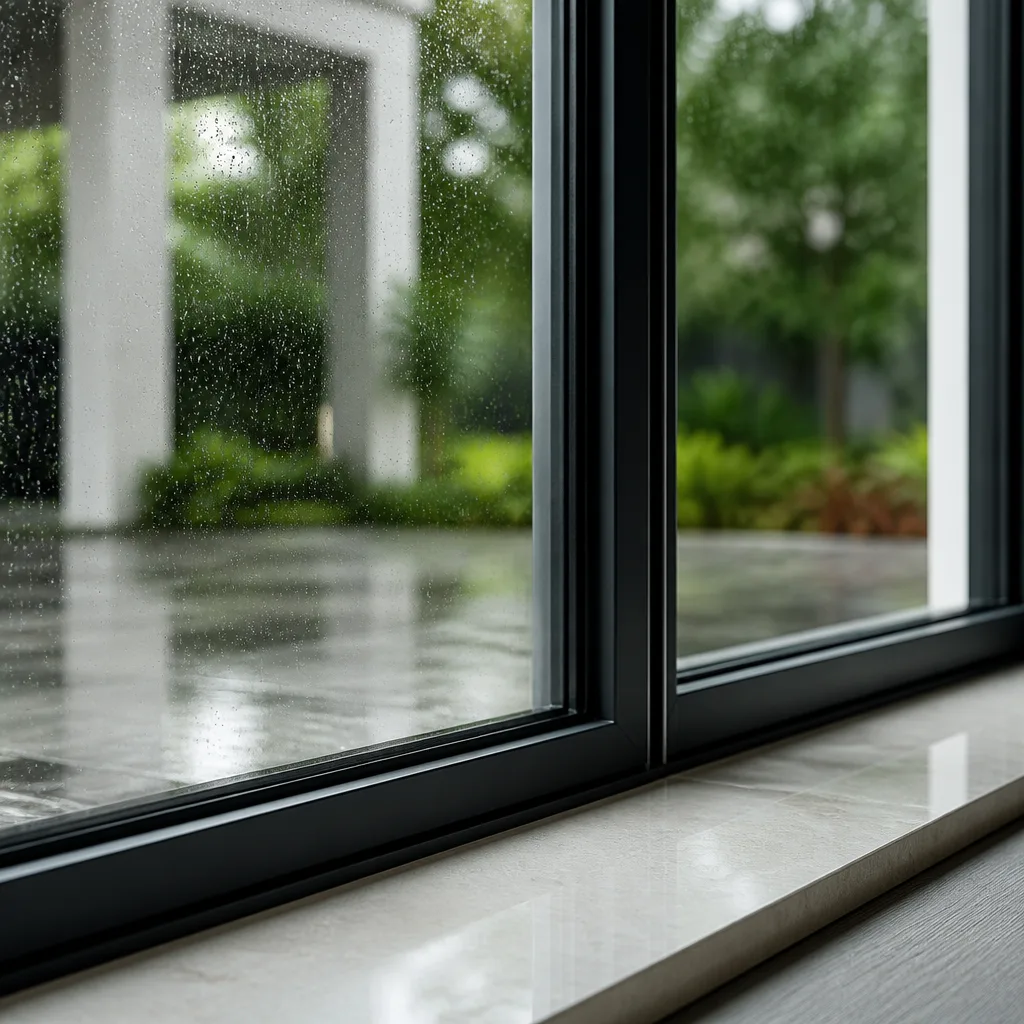
ENERGY STAR Replacement Windows
For St. Cloud homeowners, the ENERGY STAR label isn’t a sticker. It’s a shortcut to knowing the window meets the U-factor and Solar Heat Gain Coefficient ratings appropriate for Florida’s Southern climate zone. Most ENERGY STAR-rated replacements we install in St. Cloud carry U-factors between 0.25 and 0.30 and SHGC ratings between 0.20 and 0.25. That combination cuts solar gain during the nine-month cooling season while still letting in enough light to keep the house from feeling like a cave. We compare manufacturer lines side by side so you can see exactly which product hits what rating, not what the brochure says it hits.
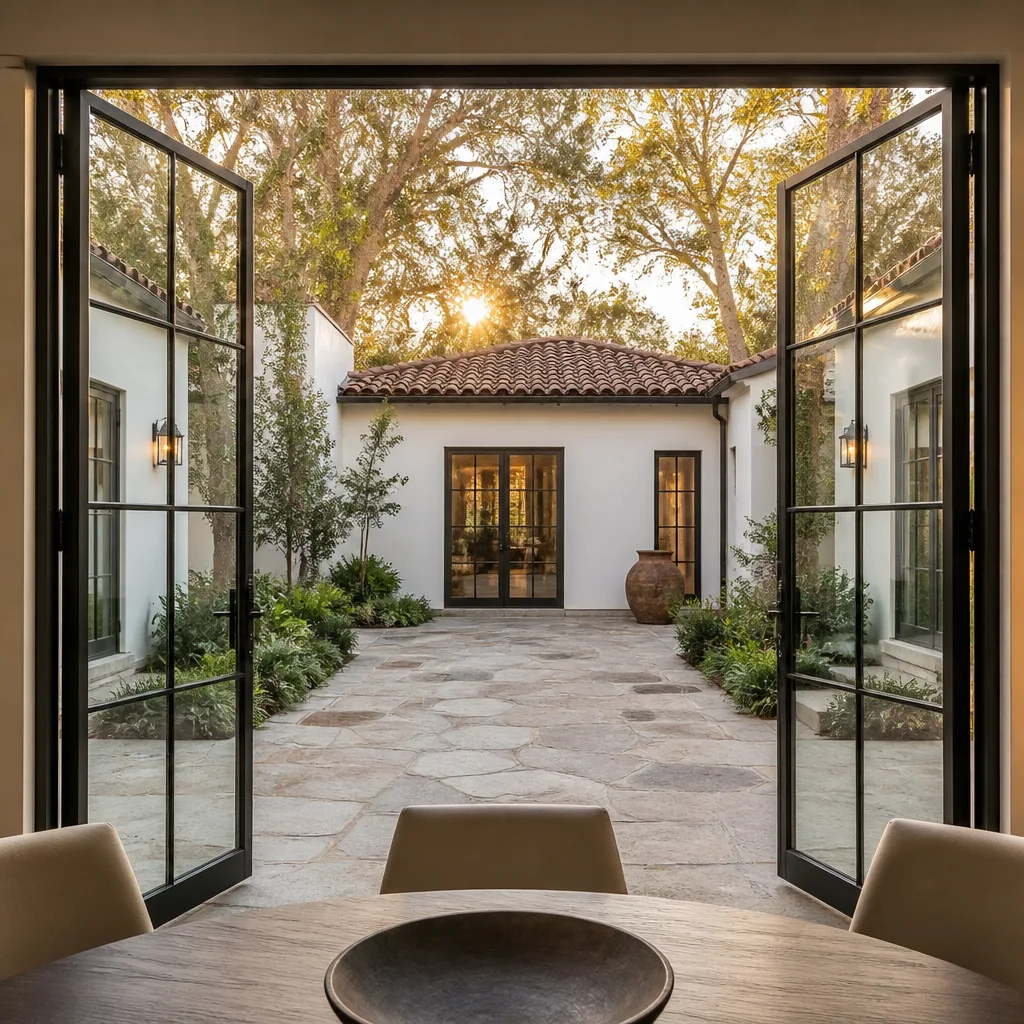
Double & Triple Pane Windows
Double-pane windows with low-E and argon are the smart default for most St. Cloud homes. Triple-pane units add a third layer and a second gas-filled cavity, which drops the U-factor lower but also adds weight, cost, and complexity. For the noise and humidity profile around St. Cloud, double-pane with a quality low-E coating and a good frame system usually delivers the better return on your dollar. Triple-pane makes sense on the east side of town where traffic off Narcoossee Road and US-192 is constant, or on lakefront properties where wind exposure is higher. We’ll show you the real performance numbers and let you decide with the math in front of you.
UV-Blocking & Fade Protection
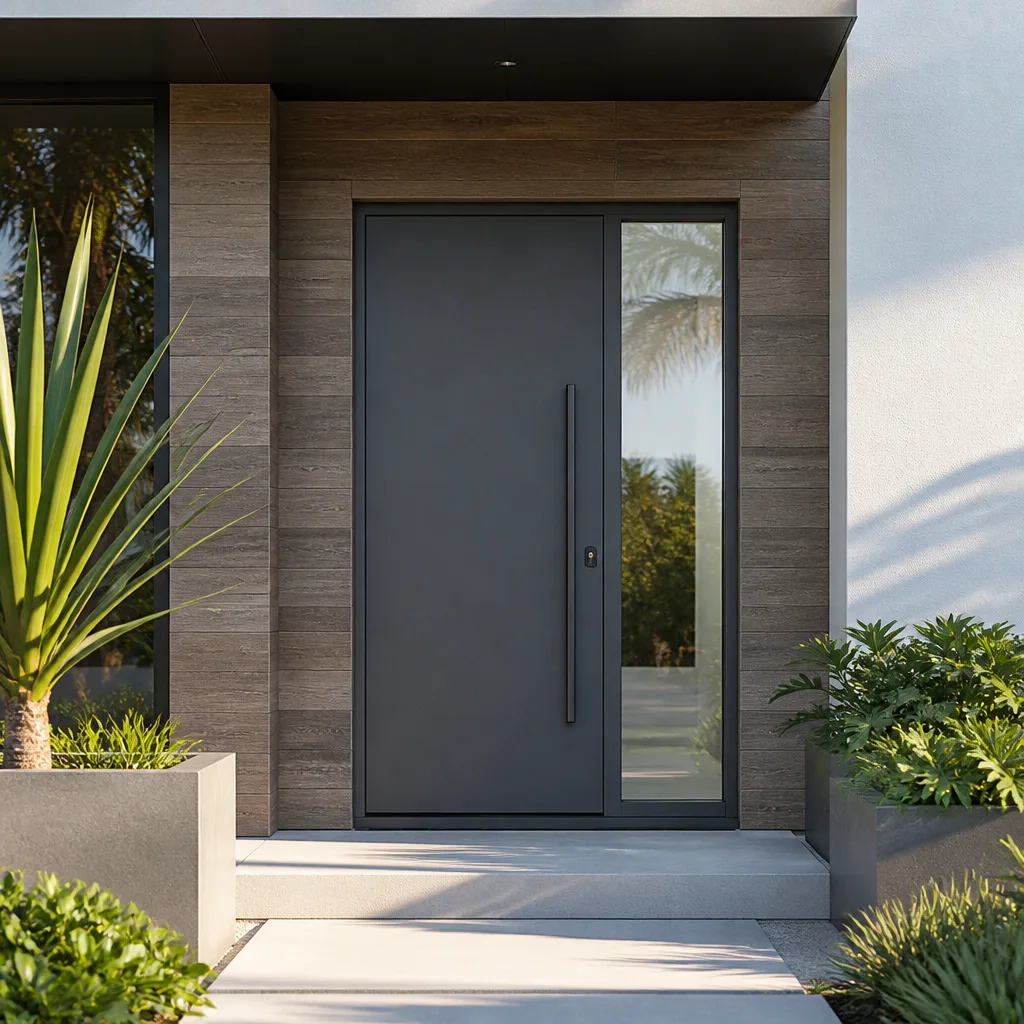
Florida sun fades upholstery, drapes, and wood floors faster than most homeowners expect, and St. Cloud gets the full dose of it nearly year-round. Low-E coatings with strong UV-blocking properties stop 95% or more of ultraviolet radiation from entering through the glass. That’s the difference between a sofa that still looks right after five years and one that’s bleached along the window line after two. If you have original wood floors in one of the older downtown homes, UV-blocking glass is cheap insurance against a floor refinish you didn’t plan on.
Window Energy Audits & Ratings
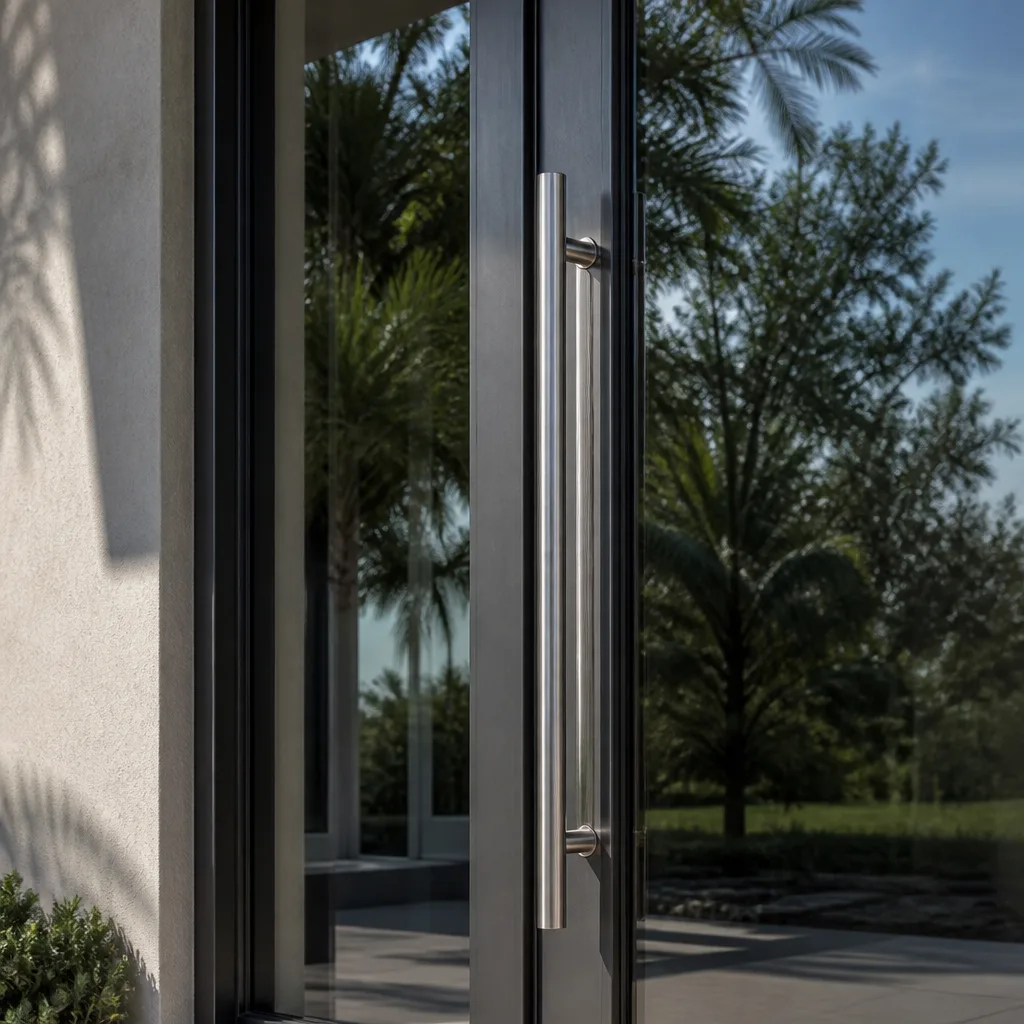
Before we quote anything, we can do a window-by-window energy audit at your St. Cloud home. That means checking each existing unit for seal failure, measuring actual glass and frame condition, and identifying which openings are leaking air or heat. For homes built between 2002 and 2008 in the Narcoossee corridor, we’ll often find three or four windows already failed and the rest not far behind. You get a written rating of each opening so you can stage the replacement work over time instead of guessing. The audit is part of our free estimate, not an upsell.
What happens when you call
- 1
A real person answersNo phone trees - you reach a local pro.
- 2
You get an upfront price rangeHonest numbers before anyone is dispatched.
- 3
A background-checked tech heads outLicensed & insured, dispatched right away.
- 4
You approve before work beginsNothing starts until you say go.
Trusted Brands We Service in St. Cloud
TruePane is an authorized installer for more than a dozen manufacturer lines, and in St. Cloud we put the three most relevant in front of you on paper whenever it fits the job: Andersen, Pella. Andersen’s Fibrex composite handles humidity well and their woodwright double-hungs restore the look of an old bungalow without the rot risk of original wood sashes. Pella’s vinyl and fiberglass lines give you solid mid-price options for the 2000s tract homes. ViewLux is our go-to when a homeowner wants a high-performance low-E argon unit at a price that doesn’t feel like a second mortgage. Whatever line fits, we register both warranty layers in writing before we leave your St. Cloud driveway, and we state the warranty duration on the contract.
Common Energy-Efficient Windows Problems We See in St. Cloud Homes
- Fogged insulated glass on 2002-2008 tract homes: The original builder-grade vinyl windows along the Narcoossee Road corridor were never designed for two decades of Florida humidity. Seal failure happens en masse in those neighborhoods, and the telltale sign is condensation between panes that never clears.
- Rotted wood sashes in the downtown veterans’ colony bungalows: Homes built in the 1890s-1920s still have original single-pane wood windows in many cases. East Lake Tohopekaliga humidity accelerates jamb rot, and by the time a homeowner notices, the sash has lost structural capacity for any retrofit under the wind-borne debris code.
- Split fusion-welded corners on budget vinyl frames: Sustained sun exposure warps vinyl over fifteen or twenty years. We see corner welds split open on 2004-2007 era homes, letting air and moisture bypass even good low-E glass. Replacing the glass without addressing the frame is half a job.
- Failed Low-E coatings from exposure and poor installs: Certain early low-E coatings degrade under prolonged UV exposure, and we’ve replaced units in St. Cloud where the coating literally peeled inside the sealed cavity. It’s rare, but it happens, and it’s visible as distortion or a hazy film you can’t clean off.
What a Real St. Cloud Job Looks Like
Here’s a specific one so you understand what we actually do, not what a brochure claims. On a 2004 stucco tract home off Narcoossee Road, our crew replaced eleven failed insulated glass units. Argon had leaked from every one of them, leaving fogged panes and a measured U-factor near 0.50, which is barely better than a single pane. We pulled the original vinyl sashes, rebuilt each opening with new fusion-welded frames and flashing tape, and set double-hung low-E glass with argon fill rated for the Florida Building Code wind-borne debris region. After a blower-door audit confirmed the air seal, the homeowner saw a 14% drop on their next electric bill. That’s the kind of measurable result we chase on every job in St. Cloud, and it’s why we don’t quote a window swap without looking at the frame, the flashing, and the wind-load requirements together.
St. Cloud carries a rare dual replacement dynamic that no neighboring city has. The historic downtown core, platted as a Civil War veterans’ colony in the 1890s, still holds concentrations of early-1900s wood-frame bungalows with original single-pane windows that fail both modern Florida Building Code wind-load ratings and current energy standards. Meanwhile, the massive 2000s-era subdivision wave along the Narcoossee Road and US-192 corridors is pushing builder-grade vinyl windows through their 15-to-20-year failure cycle simultaneously. We know both cohorts because we work both cohorts. A full-frame sash rebuild for a 1924 bungalow on Pennsylvania Avenue is a completely different job from a fusion-welded retrofit in a 2006 subdivision east of Narcoossee. Different frame materials, different flash details, different wind-load paperwork. That’s why the companies that push one-size-fits-all window quotes in St. Cloud end up with callbacks, failed inspections, and homeowners caught between the inspector and the adjuster.
Pricing for Energy-Efficient Windows in St. Cloud, FL
Straight numbers, because you asked. A low-E argon double-pane retrofit into an existing sound frame in St. Cloud runs $650 to $950 per opening, installed, for standard double-hung or casement sizes. A full-frame replacement with impact-rated low-E glass runs $900 to $1,600 per opening for the same sizes. When we get into the old downtown bungalows where the wood sash has to be completely rebuilt, or where structural repair is needed at the jamb, plan on $1,400 to $2,100 per opening. Triple-pane adds $250 to $400 per opening on top of the double-pane price. A full-house job on a 2005 tract home with twelve to fourteen windows typically lands between $11,000 and $18,000 all in, depending on the frame system and glass package. The biggest cost drivers in St. Cloud are frame condition, wind-load rating requirements, and whether the opening needs full-frame versus retrofit. We give you a written line-item quote, and the price on that quote is the price on the bill. Call (813) 320-9346 to schedule your free estimate at your St. Cloud home.
We Also Serve Cities Near St. Cloud
TruePane handles energy-efficient window work across the St. Cloud area, from the lakefront neighborhoods to the subdivisions pushing east. We also serve homeowners in St. Cloud neighbors like Acacia Villas, Alafaya, Altamonte Springs, and Altoona. Same crew standards, same written warranty registration, same straight pricing, wherever the job is.
Serving St. Cloud, FL - Our Local Coverage Area
We’re based in the St. Cloud area and know this community well. Use the map below to see our service coverage - if you’re nearby, we can almost certainly help.
FAQs - Energy-Efficient Windows in St. Cloud
Yes, you need impact-rated or shutter-ready low-E glass if the home is in the wind-borne debris region and you’re replacing windows in habitable rooms. The age of the bungalow does not exempt it from the current code when you’re doing a replacement. Many of the original single-pane wood sashes in the downtown veterans’ colony homes won’t meet modern wind-load ratings at all. That means the compliant path is usually a full-frame replacement with a rated low-E insulated unit, not a glass-only swap. We handle the wind-load calculation and product approval on every St. Cloud job so the permit and inspection go through clean. Call (813) 320-9346 for a free estimate at your home.
Because the original builder-grade vinyl windows installed in those 2002-2008 subdivisions were never built to last twenty years in St. Cloud’s humidity. The elevated moisture load off East Lake Tohopekaliga attacks the edge seals on insulated glass units, and when the seal fails, argon leaks out and the window fogs from the inside. We replace more failed insulated glass units in those Narcoossee corridor communities than anywhere else in St. Cloud. If you’ve got one fogged window in a 2005 home, expect more; the rest are usually not far behind. Call us at (813) 320-9346 and we’ll audit every window and show you exactly which ones have failed.
Yes. St. Cloud falls under the Florida Building Code wind-borne debris region, which means almost any replacement window in a habitable room requires a product approval and design pressure documentation, even if you’re simply swapping a double-hung into the same opening. The only exception is a direct, like-for-like glass-only repair where the frame and sash are untouched. Any legitimate contractor doing permitted work in St. Cloud will include that calculation and the product approval paperwork in the permit package, not charge you for it as a surprise add-on afterward. We include it in every quote, in writing. Call (813) 320-9346 for a free estimate that already covers the code path.
Yes, in many cases it can. When you replace windows in St. Cloud with impact-rated or shutter-ready low-E units and you have the product approval, wind-load calculation, and permit inspection records on file, that documentation gives your insurer verifiable evidence that the home meets current wind-borne debris standards. We register both warranty layers in writing and provide the documentation packet you can submit to your agent. The discount varies by carrier and policy, but the documentation has value whether or not your premium moves, because it removes a denial path after a storm. Call (813) 320-9346 and we’ll tell you exactly what documentation we’ll provide with your St. Cloud replacement.
For most St. Cloud homes, composite or fiberglass frames outperform both wood and budget vinyl in this specific humidity profile. Wood rots at the jamb within years when exposed to East Lake Tohopekaliga’s ambient moisture, and builder-grade vinyl warps and splits at fusion-welded corners under sustained sun. A quality composite like Andersen’s Fibrex, or a good fiberglass line, stays dimensionally stable without the rot or warp risk. For older bungalows where the wood look matters, a clad-wood window with a properly flashed exterior will hold up far better than the original raw wood sash. We’ll show you the options side by side when we quote your St. Cloud job, and the price difference is less than most people think. Call (813) 320-9346 for a free estimate with the frame comparison in writing.
Get Your St. Cloud Windows Quoted Straight
If you’re in St. Cloud and you’re tired of fogged glass, windows that rattle when the storm rolls off Lake Tohopekaliga, or an electric bill that keeps climbing every August, we’re the crew to call. Dale Kessler founded TruePane on a simple rule that still stands: if the pane is not true, the job is not done. We serve St. Cloud with background-checked, uniformed technicians who measure twice, quote line by line, and register both warranty layers before the truck pulls away. You get a free estimate with real numbers, a written scope, and no surprises on the bill. Call (813) 320-9346 and talk to a live person, any hour, any day.
Written by Dale Kessler, Owner at TruePane Windows & Doors, serving St. Cloud and the surrounding communities.
Six Reasons Homeowners Choose TruePane Windows & Doors
Impact systems engineered to design pressures up to +/-100, matched to your wind zone - your openings hold when the storm arrives.
Low-E insulated impact glass from our manufacturer lines commonly cuts monthly cooling bills 20-30%.
Laminated impact glass shuts out up to 40% of outside noise - traffic, neighbors, weather.
Monitoring services run $30-90 a month. Laminated impact glass resists forced entry around the clock, with no subscription.
Florida homeowners average around 25% savings on the windstorm portion of their policy after protecting every opening - some homes qualify for more.
A full impact package upgrades curb appeal, buyer confidence and appraised value in one project.